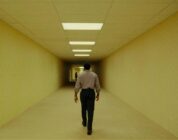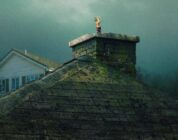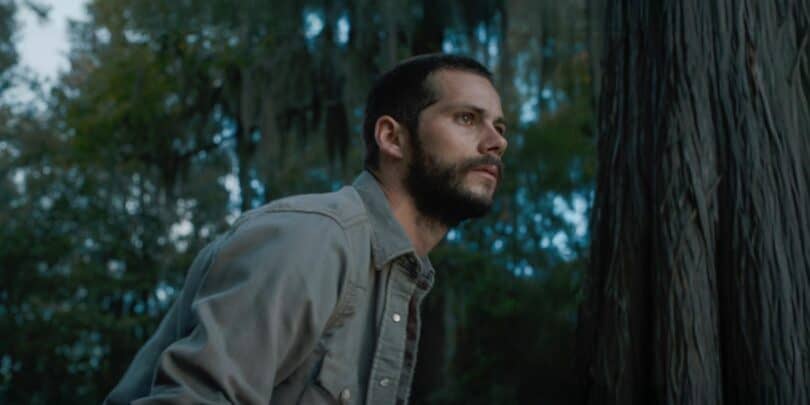
Caddo Lake did something that most time loop films don’t bother attempting: it hid the loop entirely. There are no rules explained upfront, no character who understands what is happening, no moment where the film stops to let you catch up. The loop reveals itself in the final act — and by then, every scene you watched has quietly rearranged itself into something you didn’t expect.
If that’s what hooked you, you’re in the right place.
The nine films below all share something with Caddo Lake — a closed loop, a non-linear structure, a late reveal that reframes everything. Some are more complex. Some are more emotional. Some will leave you staring at the ceiling at 2am trying to untangle the causality. All of them are worth your time.
One thing worth knowing before you dive in: time loop films are not all created equal in terms of complexity. Primer will make your head hurt in the best possible way. Coherence you can follow on a first watch if you’re paying attention. Looper holds your hand just enough without dumbing things down. I’ve included a complexity rating in the table below so you can calibrate your expectations — and your evening.
Btw, if you’re unsure if you’ve fully understood Caddo Lake, check our our review and the complete timeline explanation of Caddo Lake.
At a Glance
| Film | Year | Loop Type | Complexity | Closest to Caddo Lake |
|---|---|---|---|---|
| Dark | 2017–2020 | Closed family loop | ●●●●● | Family tree, generational trauma |
| Predestination | 2014 | Bootstrap paradox | ●●●●● | Single closed loop, emotional gut-punch |
| Triangle | 2009 | Infinite loop | ●●●● | Inescapable, nature as threat |
| Coherence | 2013 | Parallel timelines | ●●●● | Slow-burn, small cast, late reveal |
| Primer | 2004 | Overlapping loops | ●●●●● | Most complex timeloop ever put on film |
| Timecrimes | 2007 | Single closed loop | ●●● | Tight, efficient, same inevitability |
| The Endless | 2017 | Time loop as trap | ●●● | Nature, dread, no easy answers |
| Looper | 2012 | Causal loop | ●●● | Accessible, emotional, high stakes |
| The Dyatlov Pass Incident | 2013 | Portal / loop hybrid | ●●● | Found footage — nature swallows people whole |
9 Time Loop Movies to Watch After Caddo Lake
Not all of these are easy watches. Some will demand a second viewing. Some will demand a notepad. One of them — and you’ll know which one when you get there — will demand both.
What they all share with Caddo Lake is the thing that makes the loop format so compelling when it’s done right: the feeling that the story was always heading exactly where it ended up, and that everything you watched was always already part of the answer. The confusion wasn’t a mistake. It was the architecture.
Start wherever feels right. The complexity ratings in the table above are your guide.
Dark (2017–2020)
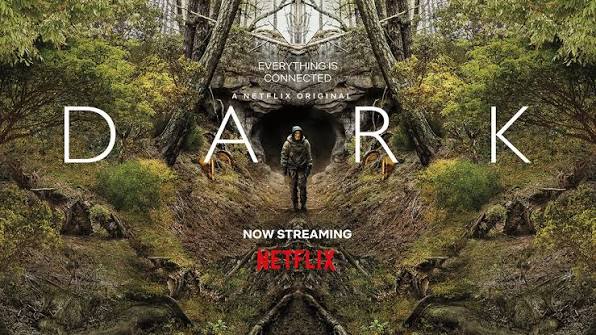
A small German town. Four interconnected families. A child gone missing. And a cave beneath the forest that connects 1953, 1986, and 2019 in ways that take three seasons to fully unravel.
Dark is the most ambitious time loop narrative ever produced for television — and possibly for any screen. Where Caddo Lake hides its loop until the final act, Dark puts the loop front and centre from the first episode and then spends thirty hours deepening it, complicating it, and eventually closing it in a finale that is one of the most emotionally complete endings in recent memory.
Why it’s similar to Caddo Lake: The family tree is the story. Like Caddo Lake, Dark is fundamentally about what gets passed down across generations — grief, guilt, absence — and about the particular horror of realising that the people you lost were never where you thought they were. The loop is closed and self-consistent. Nothing could have been otherwise.
What sets it apart: Scale. Dark operates across multiple centuries and four interconnected family trees that eventually merge into a single impossible knot. If Caddo Lake is a novella, Dark is a Victorian novel. Commit to it fully or not at all — but if you commit, it will rearrange how you think about time loop storytelling permanently.
Predestination (2014) – the Masterpiece
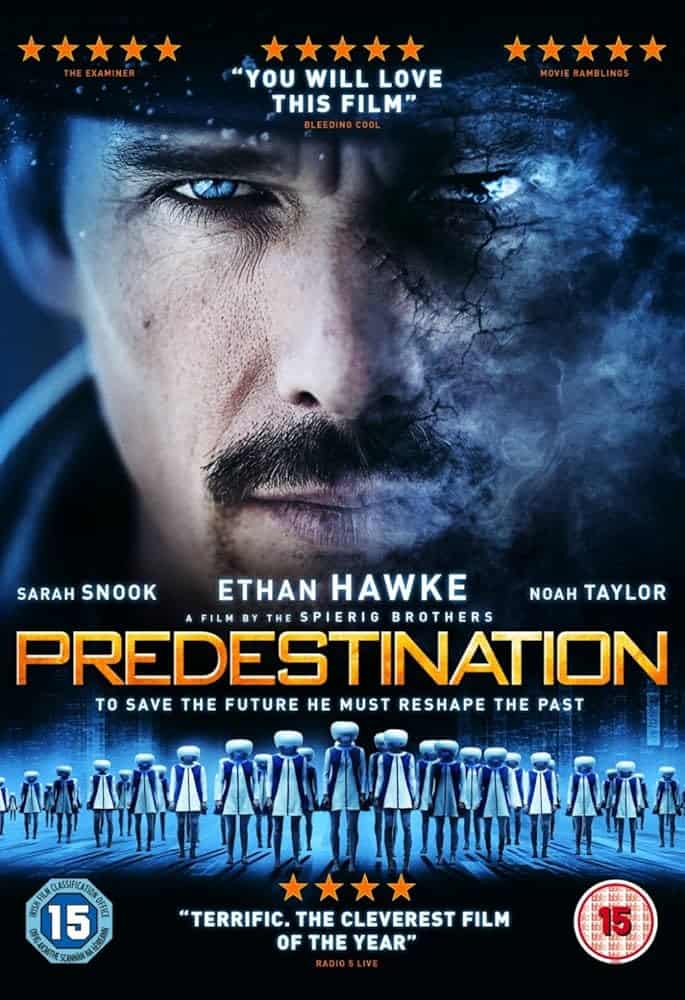
A temporal agent (Ethan Hawke) is sent back in time on one final mission — to prevent a terrorist attack that has eluded him for years. What begins as a straightforward sci-fi thriller becomes, within the first twenty minutes, something considerably stranger and considerably more interesting.
Predestination is built around a bootstrap paradox so complete that it makes Caddo Lake‘s loop look simple by comparison. Everything in the film — every character, every event, every cause — is its own effect. There is no origin point. There is only the loop, turning forever, with no exit and no beginning.
Why it’s similar to Caddo Lake: It shares the same core idea — that the losses and absences at the centre of the story were always inevitable, written into the structure of time itself. And like Caddo Lake, the emotional gut-punch only lands once you understand the full shape of what you’ve been watching. A second viewing is not optional; it is the point.
What sets it apart: Predestination is more willing to be cold about its logic. Where Caddo Lake wraps its loop in bayou atmosphere and family warmth, Predestination follows its paradox to its absolute conclusion without flinching — and arrives somewhere genuinely vertiginous. It is a film about identity as much as time, and the two are, by the end, indistinguishable.
Triangle (2009)
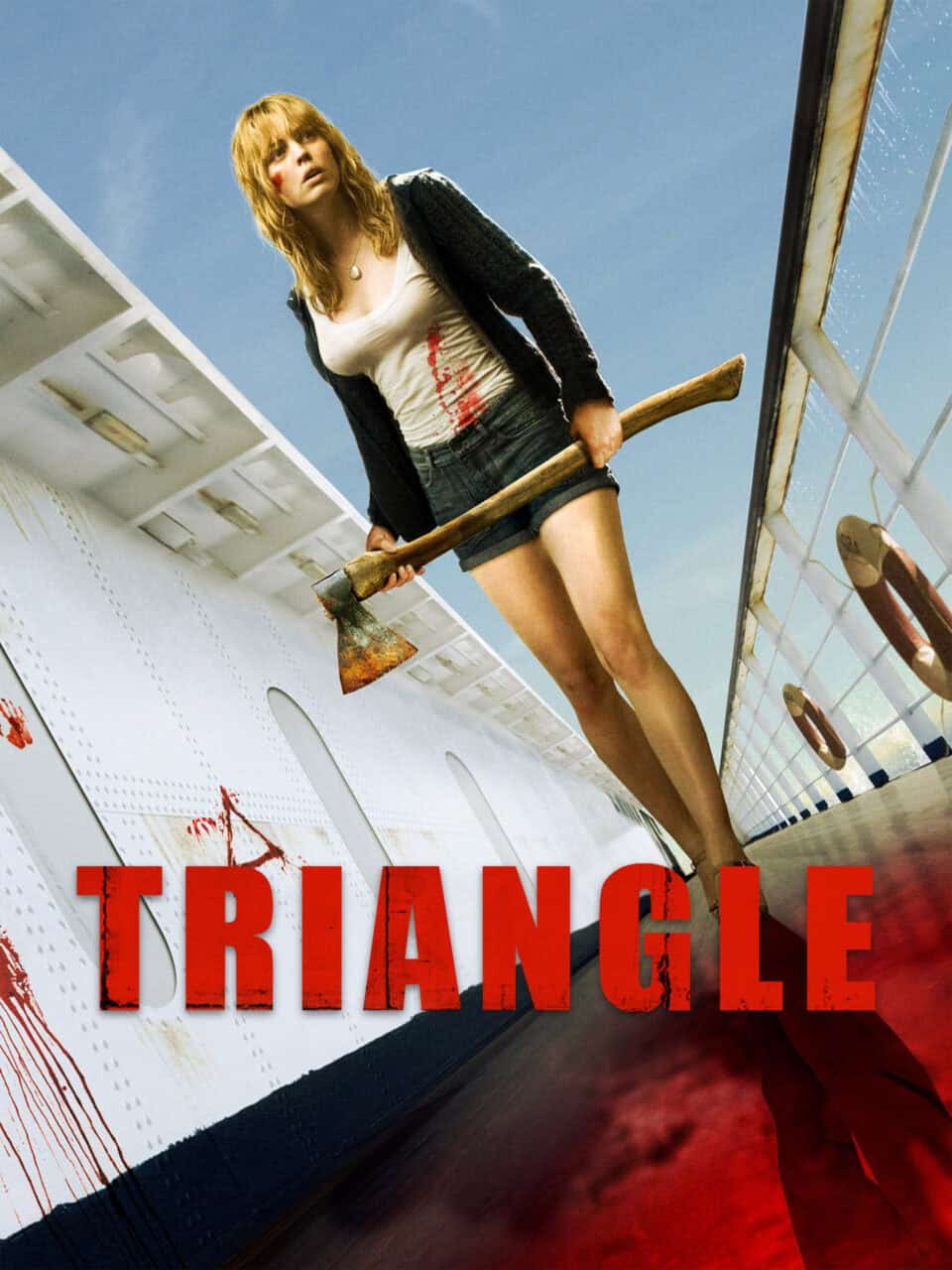
A group of friends set out on a sailing trip off the coast of Florida. A storm capsizes their boat. They board a passing ocean liner that appears to be deserted. It isn’t — and what is waiting for them on board is something none of them have the framework to understand.
Triangle is one of the most underrated time loop films ever made, and one of the most relentless. Director Christopher Smith constructs a loop that is both mathematically precise and deeply, almost unbearably sad — a woman trapped in a cycle she cannot escape, repeating the same sequence of events with diminishing hope and increasing desperation.
Why it’s similar to Caddo Lake: The loop is closed and inescapable, and the horror comes not from monsters or jump scares but from the dawning realisation that every action the protagonist takes was always already part of the pattern. Like Caddo Lake, the film withholds its full logic until late — and when clarity arrives, it reframes everything you watched before it.
What sets it apart: Triangle is bleaker than Caddo Lake — considerably bleaker. Where Caddo Lake finds something like grace in its inevitability, Triangle finds only exhaustion. It is a film about a loop with no redemption at its centre, only repetition. I find it haunting in a way that is difficult to shake. Watch it on a night when you’re prepared to sit with something uncomfortable.
Coherence (2013)
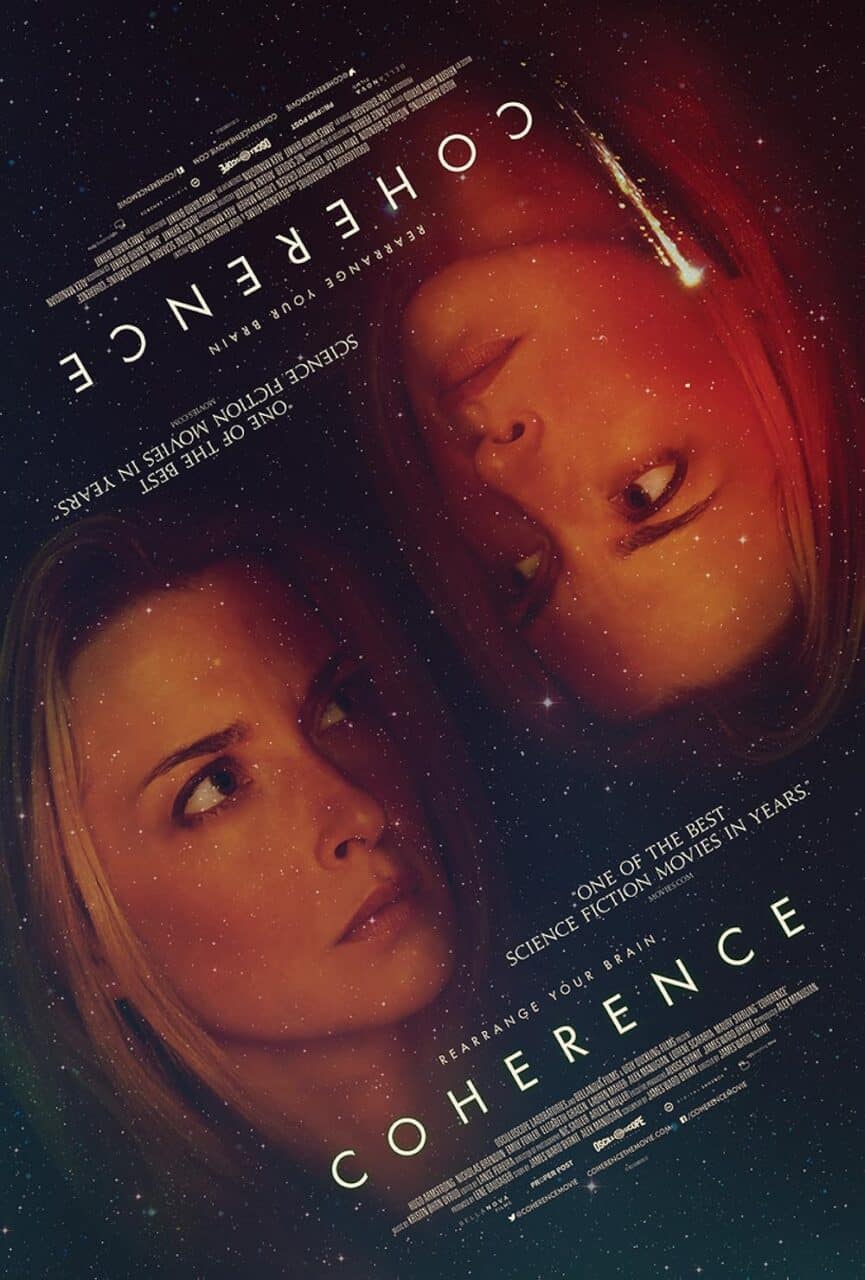
Eight friends gather for a dinner party on the night a comet passes overhead. The power goes out. Strange things begin happening in the neighbourhood. And the group slowly realises that the house across the street — identical to theirs in every detail — may not be entirely separate from the one they’re sitting in.
Coherence was shot in four nights, largely improvised, with a cast who were given their character backstories on index cards and told to figure out the rest. The result is one of the most convincingly naturalistic science fiction films ever made — and one of the most quietly terrifying.
Why it’s similar to Caddo Lake: The parallel timelines logic shares DNA with Caddo Lake‘s loop structure, and both films derive their tension from the same source: the realisation that the world you thought you understood has been operating according to rules you were never told. The late reveal reframes the entire film. The small cast and contained setting create the same sense of intimacy and dread.
What sets it apart: Coherence is Caddo Lake at a dinner party — contained, claustrophobic, and powered almost entirely by character dynamics rather than atmosphere. Where Caddo Lake uses the Louisiana bayou as an active presence, Coherence uses a suburban living room. The horror is in the people as much as the premise. I find it one of the most rewatchable films on this list — each viewing surfaces something the last one missed.
Primer (2004)
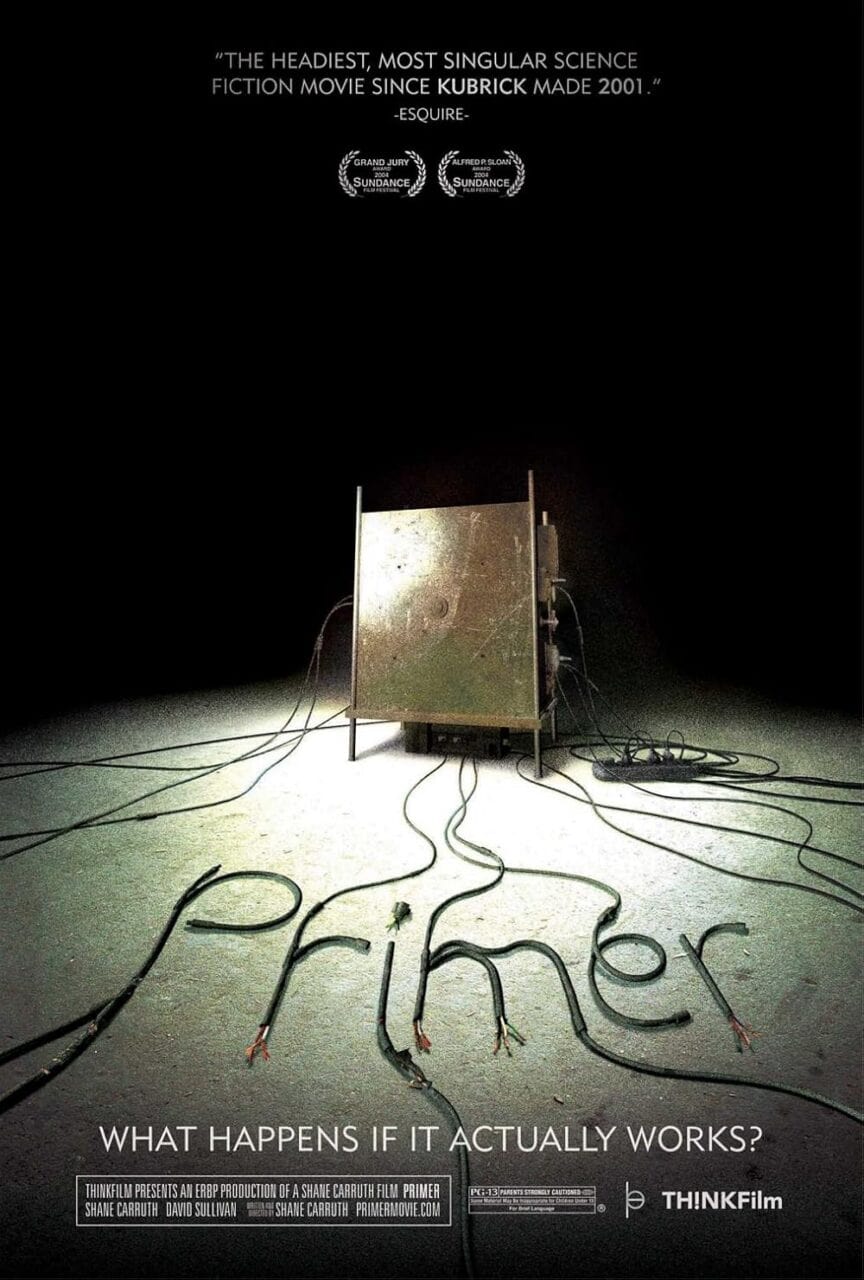
Two engineers accidentally build a time machine in a garage. What follows is the most rigorous — and most deliberately confusing — time loop film ever made. Shot for $7,000, it trusts its audience completely and explains itself to no one.
Why it’s similar to Caddo Lake: The loop is closed, self-consistent, and only fully visible in retrospect. Both films reward a second viewing more than almost anything else in the genre.
What sets it apart: Primer is the most complex film on this list by a significant margin. A notepad is not optional. If Caddo Lake is a puzzle, Primer is a puzzle inside a puzzle inside a puzzle — and it never once slows down to let you catch up.
Timecrimes / Los Cronocrímenes (2007)
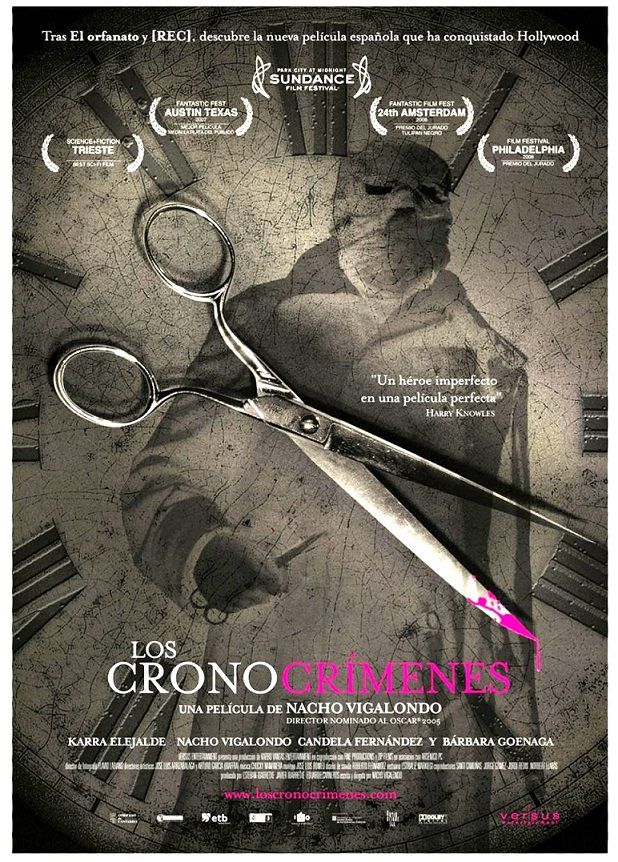
A Spanish man witnesses something disturbing in the woods near his house. He hides. He makes a decision. And he accidentally triggers a time loop that he spends the rest of the film desperately — and hopelessly — trying to escape.
Why it’s similar to Caddo Lake: The single closed loop, the sense of inevitability, the horror of realising that every action you took to prevent the loop was the thing that created it. The structure is almost identical to Caddo Lake‘s at its core.
What sets it apart: Timecrimes is lean and efficient where Caddo Lake is atmospheric and patient. Ninety minutes, no fat, no sentiment. The purest possible expression of the closed loop format.
The Endless (2017)
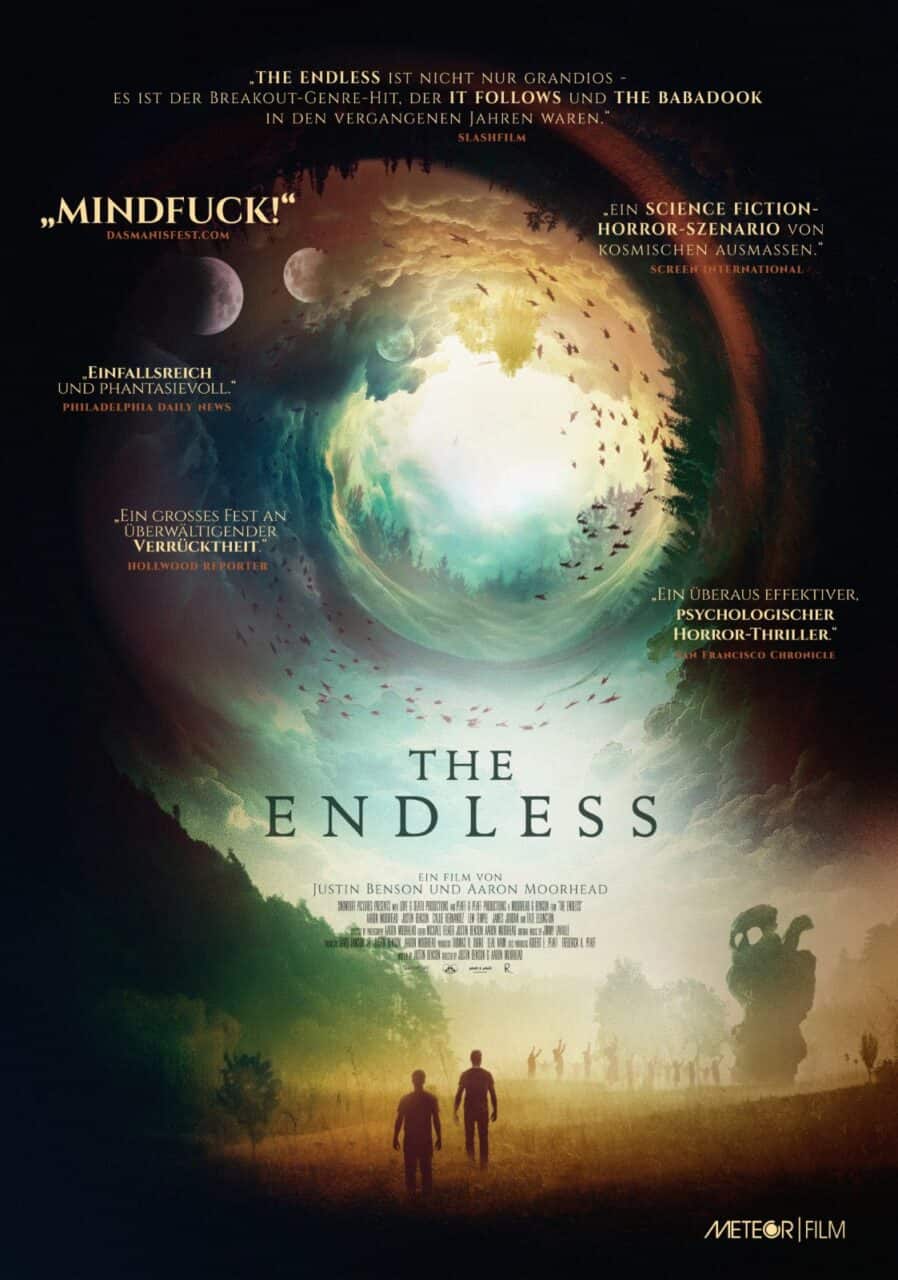
Two brothers return to the cult commune they escaped from years earlier. Nothing seems to have changed — the members are the same age, the same routines, the same rituals. Slowly, the brothers begin to understand why.
Why it’s similar to Caddo Lake: Nature as an indifferent supernatural force, trapping people in loops they didn’t choose and can’t escape. The same slow-burn dread, the same sense of a landscape with its own agenda.
What sets it apart: The Endless is more overtly cosmic in its horror — the loop here is not a family tragedy but something older and more inhuman. Where Caddo Lake finds grief at the centre of its loop, The Endless finds something closer to oblivion. Deeply unsettling in a way that lingers.
Looper (2012)
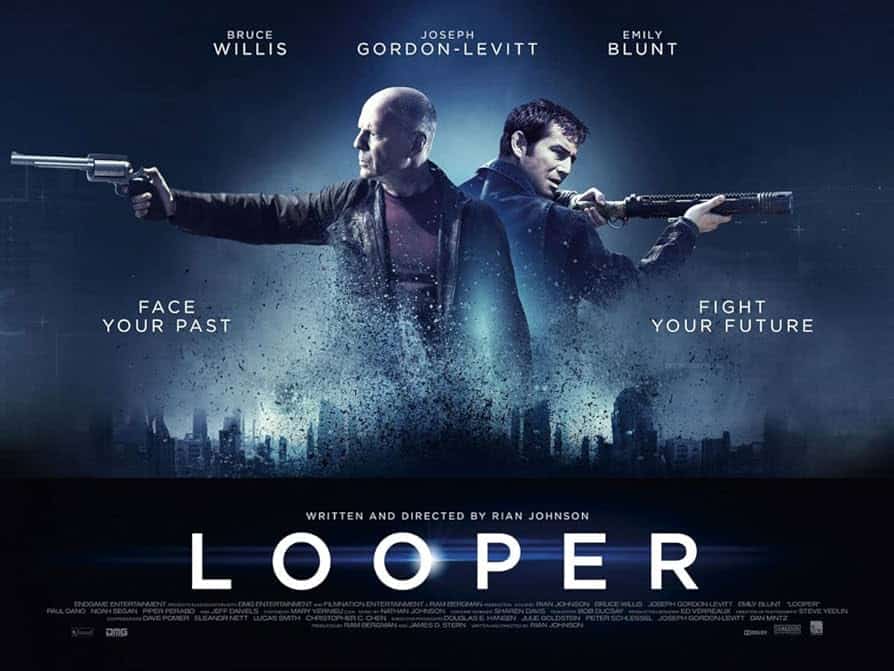
In 2074, time travel exists but is illegal. Crime syndicates use it to dispose of targets by sending them back thirty years to be killed by hired assassins called loopers. Joe (Joseph Gordon-Levitt) is one of them — until the man sent back for him to kill turns out to be himself.
Why it’s similar to Caddo Lake: The causal loop at the film’s centre shares the same bootstrap logic — actions in the past creating the conditions that make those actions necessary. And like Caddo Lake, the emotional weight comes from what the loop costs the people caught inside it.
What sets it apart: Looper is the most accessible film on this list — propulsive, action-driven, and considerably more fun than most time loop films allow themselves to be. It earns its emotion without sacrificing momentum. A good entry point for viewers new to the genre.
Devil’s Pass (2013) (also known as The Dyatlov Pass Incident)
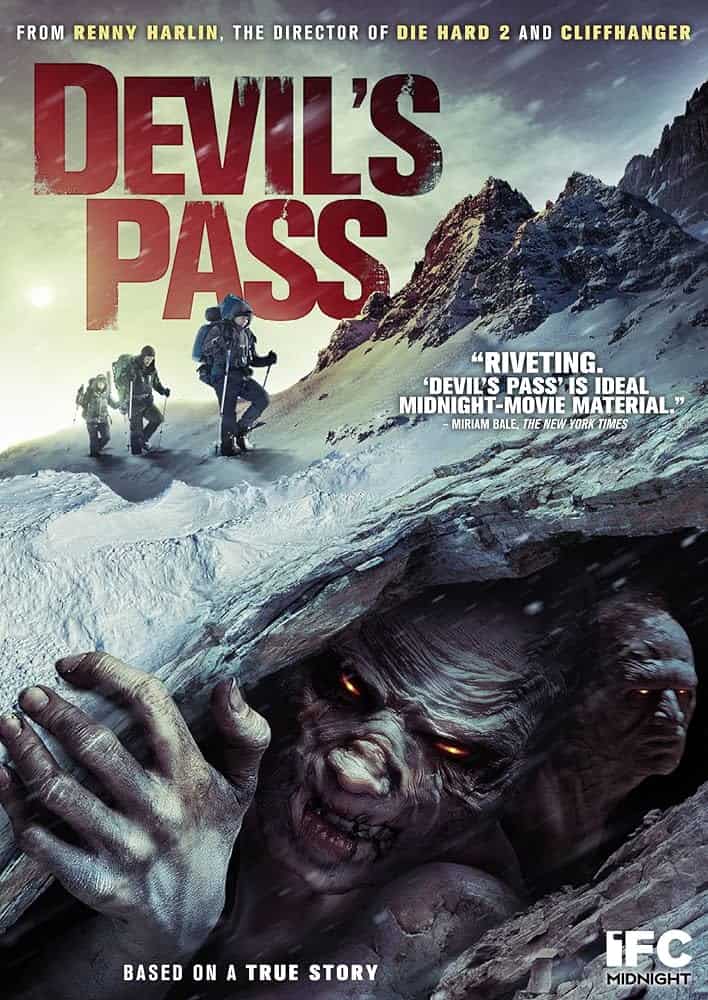
In 1959, nine experienced Russian hikers died under unexplained circumstances in the Ural Mountains. Torn tent. Crushed chests. Missing eyes. No official explanation. The case has never been closed.
Renny Harlin’s found footage film follows five American students retracing the hikers’ route to make a documentary. It starts as a conventional found footage mystery — strange sounds, malfunctioning equipment, footprints in the snow — and takes a turn in the third act that connects it directly to Caddo Lake territory in ways I won’t spoil here.
Why it’s similar to Caddo Lake: The portal mechanics in the final act share the same essential logic as the lake — a natural location connecting different points in time, indifferent to the people it swallows. Nature as something ancient, hostile, and operating by rules humans were never meant to understand.
What sets it apart: This is found footage first, timeloop film second. The loop arrives late and hard. If you come from the found footage world, this is your entry point into timeloop territory — and the real Dyatlov Pass case is disturbing enough on its own that the supernatural explanation almost feels like a relief.
Which One to Watch First?
It depends on what you loved most about Caddo Lake.
If it was the family tree and generational scope → Dark. Clear first choice. Clear first warning: clear your schedule.
If it was the closed loop and the bootstrap paradox → Predestination. The most direct successor to Caddo Lake‘s core logic.
If it was the atmosphere and slow-burn dread → Triangle. The bleakest film on this list and the one that will stay with you longest.
If it was the late reveal that reframed everything → Coherence. Most rewatchable film on the list — each viewing surfaces something the last one missed.
If you want the most complex possible rabbit hole → Primer. Bring a notepad. Clear your weekend.
If you want something accessible and propulsive → Looper. The most fun film on this list without sacrificing the emotional weight.
If you come from found footage → The Dyatlov Pass Incident. Your entry point into timeloop territory.
Time loop films live or die by one thing: whether the loop means something. A closed causal structure is intellectually satisfying — but without an emotional centre, it is just a puzzle. What Caddo Lake understood, and what every film on this list understands in its own way, is that the loop has to cost something. Someone has to be trapped. Someone has to lose.
Every film above delivers that cost differently. Dark spreads it across generations. Predestination concentrates it into a single impossible person. Triangle makes it feel like punishment. Coherence makes it feel like paranoia. Primer makes it feel like hubris.
Whatever drew you to Caddo Lake, there is something on this list that will take you further in. Start anywhere. Just start. And when you reach the end — you’ll find yourself back at the beginning, seeing everything differently. That’s what timeloops are about.. right?